The Afghanistan Youth Government
The Youth Government in Afghanistan was a pioneering initiative to empower young people, foster a culture of openness and innovation, and prepare the next generation of leaders. The Youth Government model included critical elements such as elections, debates, legislative sessions, and administrative duties, offering participants a comprehensive and hands-on experience in governance. By providing practical experience and a platform for civic engagement, this program was a significant step towards a more inclusive and democratic society.
Origin and Development
The concept of Youth Government in Afghanistan was written by Ahmad Hewad Rahyab in 2016. Recognizing the need to empower Afghan youth and involve them in the political process, the initiative began with a robust campaign across social media and various media outlets. The goal was to reach active youth nationwide and encourage participation. The campaign was highly successful, with over 2,000 young individuals registering online to be part of the program.
Participants Selection
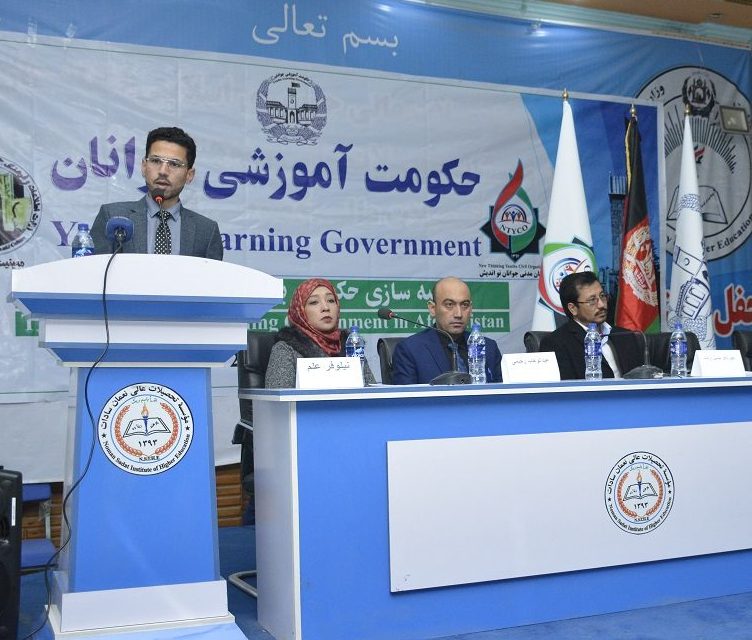
The selection process was thorough and rigorous, involving written and oral exams conducted in different provinces and zones of Afghanistan. A specialized examination committee, consisting of professors from various universities and representatives of the Afghanistan New Thinker Youth Civil Organization (NTYCO), reviewed the applications and selected the best candidates. Ultimately, 136 active and innovative youths were chosen to participate in the Youth Government.
Implementation
Structure of the Afghanistan Youth Government
The Youth Government in Afghanistan was structured to mirror a national government, providing participants with a realistic and practical experience. The structure includes:
Vice President
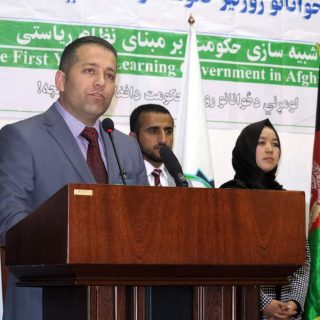
President
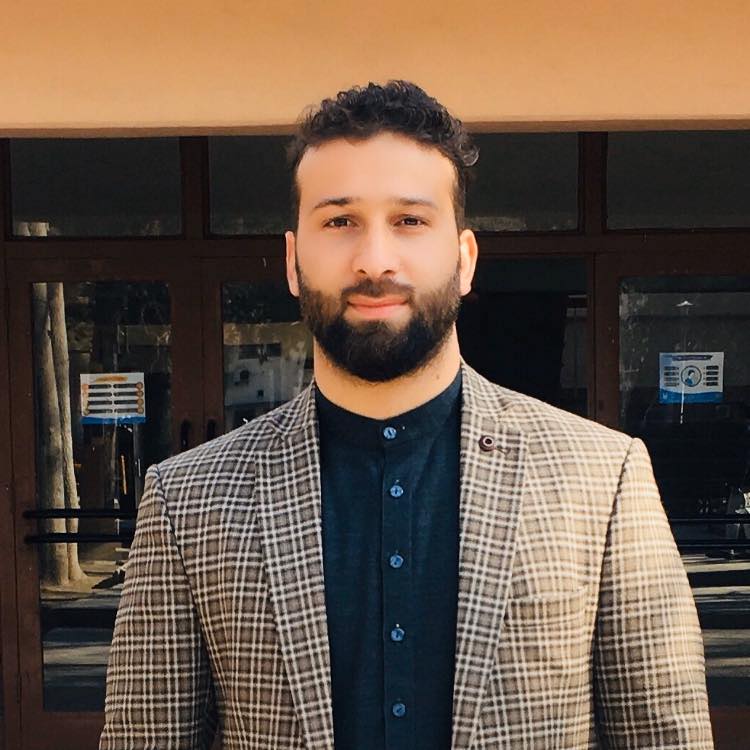
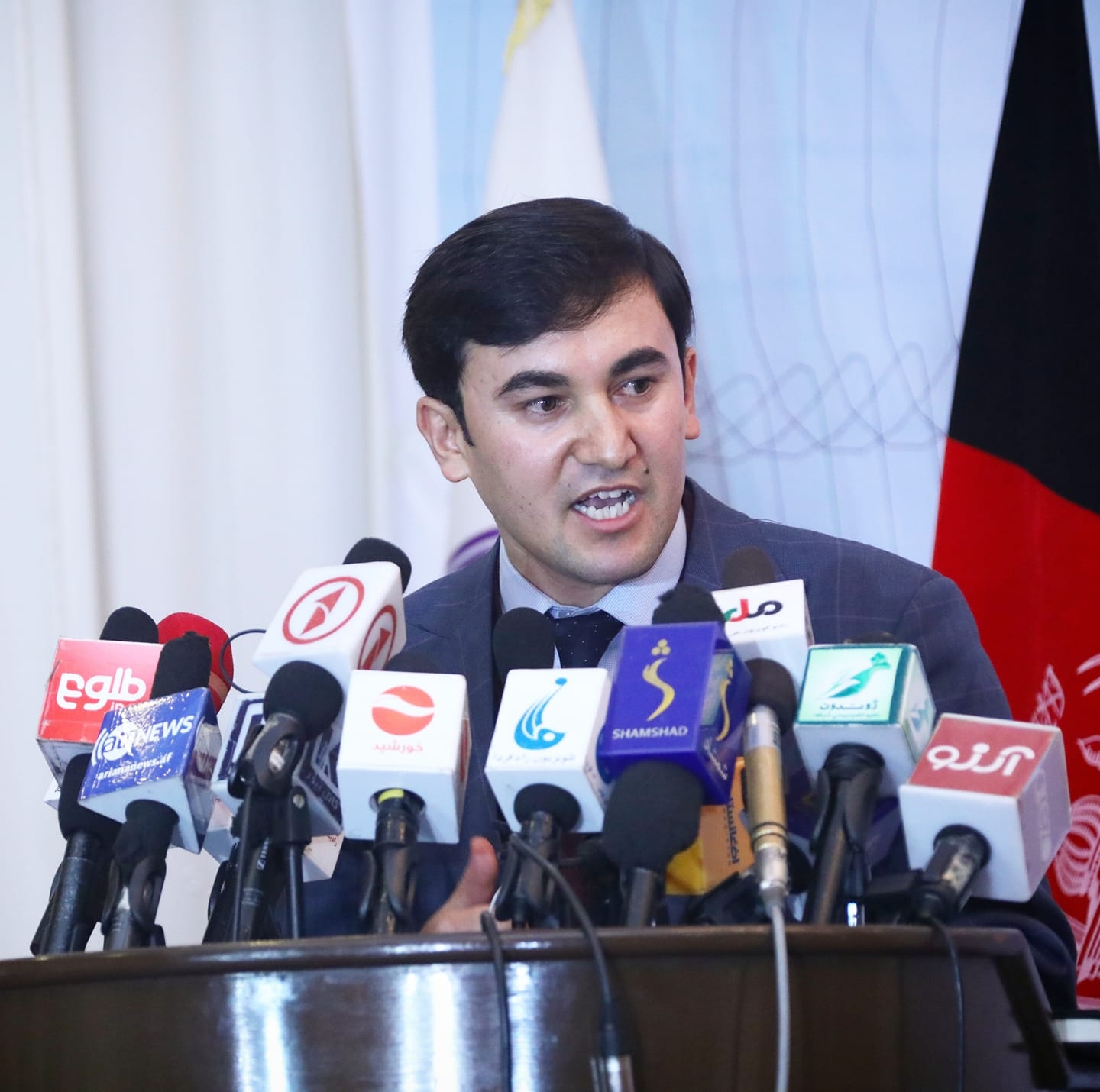
Vice President
Ministers
Twenty-five ministers, each heading a different ministry, mirroring the Afghan government ministries.
Deputy Ministers
Fifty deputy ministers, with two deputies per ministry.
Governors
Thirty-four governors represent each of Afghanistan's provinces.
Mayors
Eight mayors represent different zones of Afghanistan.
Advisors
Five advisors to the president and vice presidents in political, economic, social, cultural, and religious affairs.
Directorates
Eleven independent directorates handling various administrative functions.
Organizational Structure
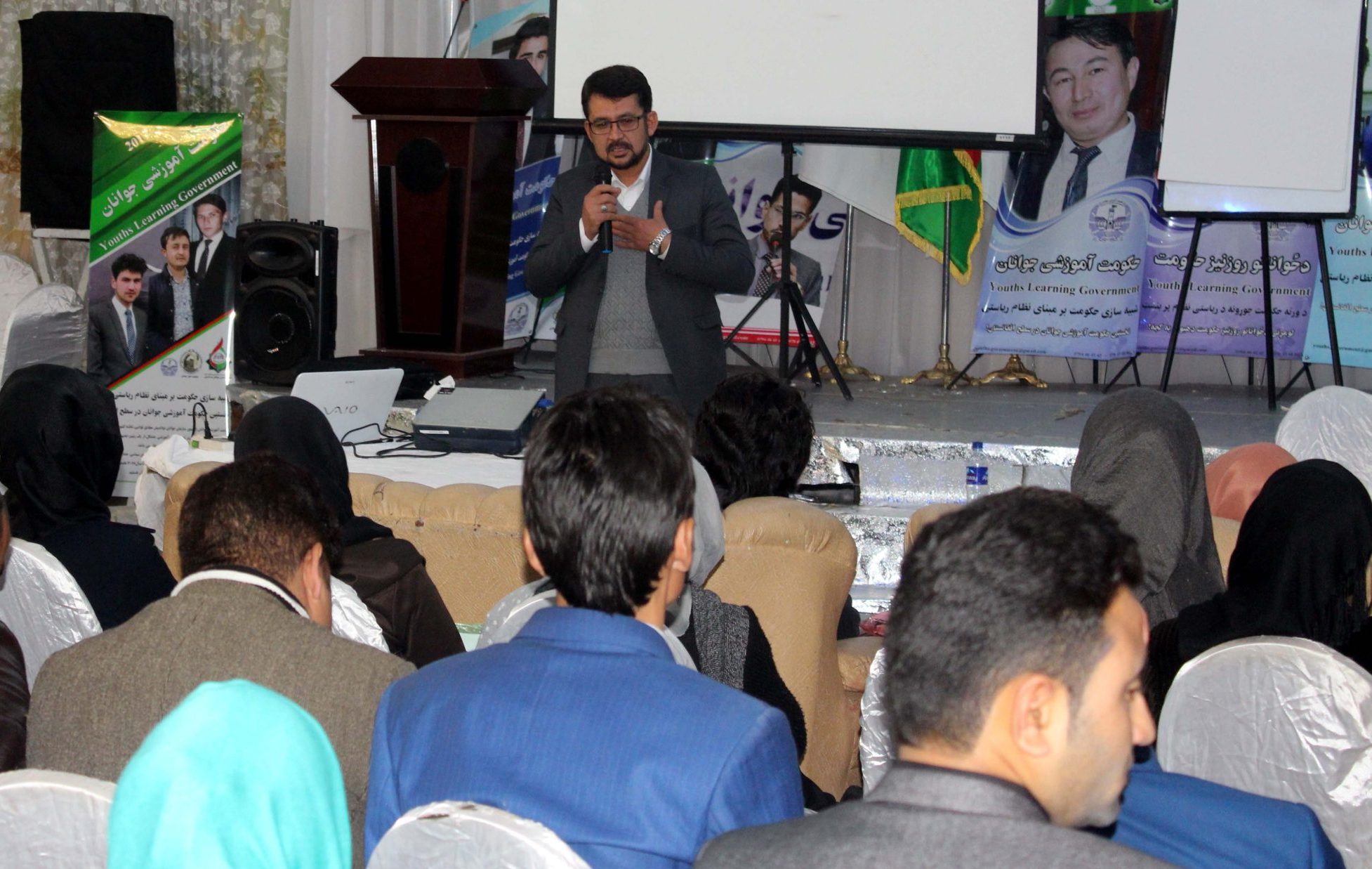
The organizational structure of the Afghanistan Youth Government included one commission and several committees to ensure effective management and implementation:
Youth Government Commission
Examination Committee
Cultural Committee
Elections Committee
Media and Public Relations Committee
Monitoring and Evaluation Committee
The Afghanistan Youth Government in a Glimpse
Initial Campaign and Registration
Conducted through social media and various media outlets, attracting over 2,000 youth registrations.
Selection Process
Written and oral exams across different provinces and zones of Afghanistan led to the selection of 136 most active participants.
Orientation Session
An introductory session for participants to get to know each other and make teams for upcoming presidential elections and other processes.
Workshop
Intensive training on the country’s politics, governance, policy-making, and essential skills those youths need for better management.
Presidential Campaign and Debates
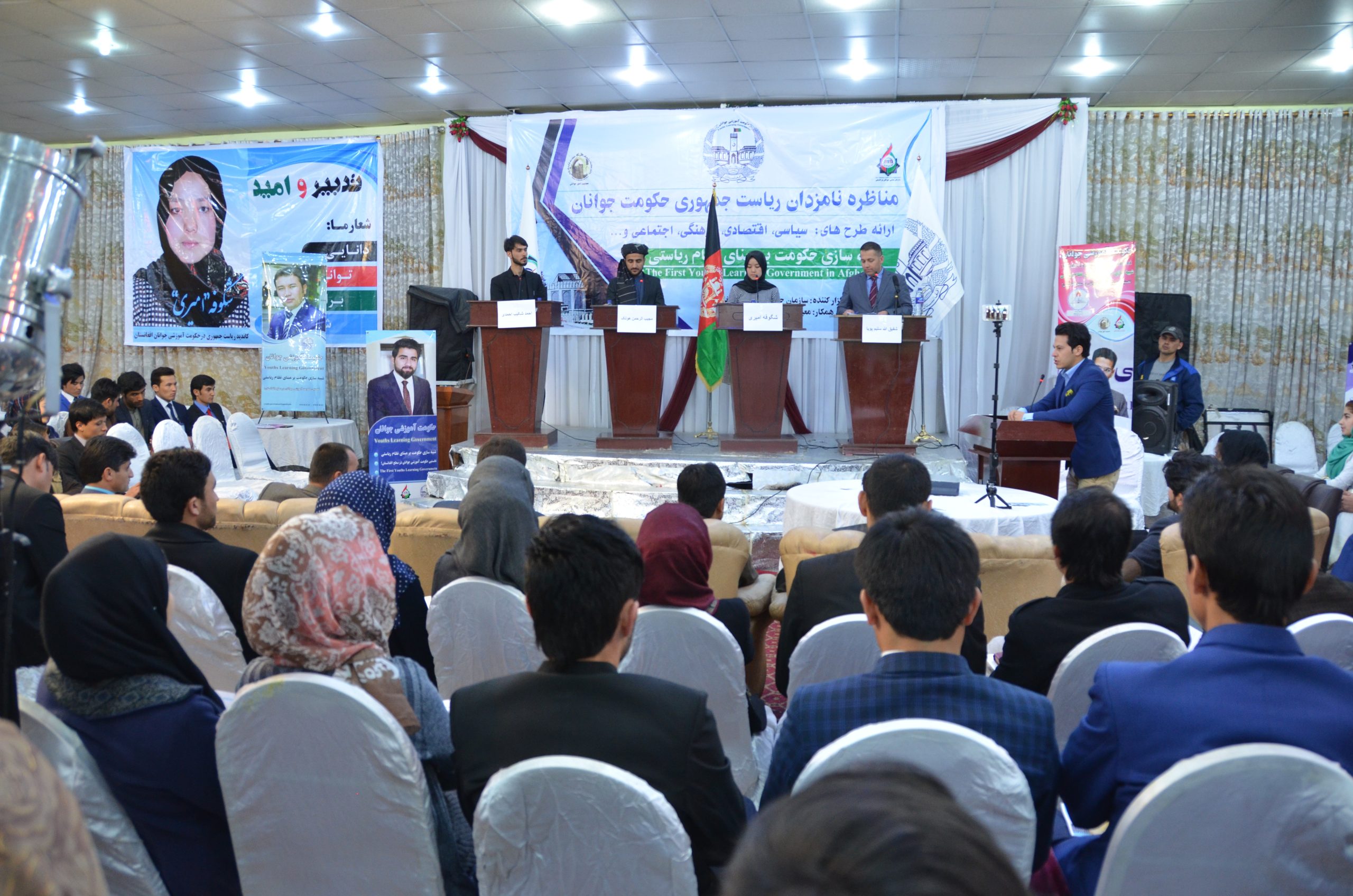
Candidates campaign for presidential and vice-presidential positions, engage in debates and present their visions.
Elections
Participants vote to elect the President and Vice Presidents.
Presidential Oath and Certification
Officially grant the presidential credential to the elected president by the commission, and the elected president and vice presidents take the oath of office.
Cabinet Selection
The President selects ministers and other key officials.
Ministers' Councils
Regular meetings to discuss the progress of the ongoing projects and address the country’s issues.
Closing Ceremony
Awards and certificates were distributed, and the action plan was shared with government officials.
Final Report
Compilation of achievements, policies, and recommendations.
Next Chapter
We are coordinating to organise and implement the Youth Government concept in different countries.
Did You Know?
The planning and initial stages of simulating the Youth Government based on the system of the Islamic Republic of Afghanistan began in October 2016 and officially took place in March 2017 in Kabul, the capital of Afghanistan, with the participation of 136 active youth from across the country. This Youth Government consisted of an elected president, 25 ministers, 50 deputy ministers, and included representatives from several key government institutions. This program fostered widespread and meaningful youth participation in the political process, receiving a warm reception from domestic and international activists. Those who participated in this simulation of the Youth Government subsequently found themselves contributing to the country’s political, social, cultural, and economic landscape, integrating into the political and social fabric of the polity.